
- Boating Accident Resources
- Car Accident Resources
- Construction Accident Resources
- Dog Bite Resources
- Firm News
- Motorcycle Accident Resources
- Personal Injury Resources
- Premises Liability Resources
- Product Liability/Mass Tort Resources
- Slip and Fall Resources
- Truck Accident Resources
- Uncategorized
- Worker's Compensation Resources
- Wrongful Death Resources
Are ultra-processed foods addictive? They are. And tragically, it appears to be on purpose. For parents trying to understand how their child developed Type 2 diabetes or serious liver disease, one question keeps coming up:
How could this happen to kids?
The answer may feel disturbingly familiar. For decades, the tobacco industry followed a calculated strategy: engineer addiction, target young people, deny harm, and shift blame to “personal choice.” Today, public health researchers and government lawsuits are pointing to the same pattern in the modern food system, especially when it comes to ultra-processed foods (UPFs) marketed to children.
Are ultra-processed foods addictive? Yes. And at Bernheim Kelley, we are investigating whether food manufacturers used tobacco-style tactics to hook kids early, leaving families to face the consequences: youth-onset Type 2 diabetes, non-alcoholic fatty liver disease (NAFLD), and even liver failure.
If your child was diagnosed with Type 2 diabetes or fatty liver disease after years of eating ultra-processed foods, you’ve probably got questions. Start by filling out our online form. Our mass tort lawyers will Keep It Real with you, answer your questions, and help you understand what your options may be.
If you are following this series, you may want to read:
- The Hidden Epidemic: Why Ultra-Processed Foods Are Causing Type 2 Diabetes and Liver Disease in Children
- When a Child’s Liver Fails: The Unseen Impact of Ultra-Processed Diets on Young Bodies
Quick Answers: Are Ultra-Processed Foods Addictive?
Many researchers say yes, and the reason is pretty simple. Ultra-processed foods are often designed to hit the brain’s reward system fast. That can look and feel like addiction for some people, including kids.
Common signs can include:
- Having strong cravings
- Feeling out of control around certain foods
- Needing more of the food to feel satisfied
- Feeling irritable or “off” when cutting back
- Continuing to eat the food even when it’s causing real problems
One major research group that studies “food addiction” estimates that about 15% of children in the U.S. meet the criteria for addictive-like eating tied to ultra-processed foods.
This doesn’t mean every kid who loves cereal or snacks is addicted. It means the way many ultra-processed products are designed and marketed can make it genuinely hard to stop, especially for developing brains.
Frequently Asked Questions
Both industries have been accused of engineering addictive products, targeting children and teens, minimizing health risks, and shifting blame to consumers when harm occurs.
A major government lawsuit filed by San Francisco in December 2025 makes this comparison directly and alleges that tobacco-style tactics were used to increase consumption.
Yes. Cities, including San Francisco, and law firms are investigating claims that UPFs contributed to serious health conditions in children through deceptive practices.
Here’s what researchers are seeing:
- More UPFs, higher risk: A large, widely cited review found that diets heavy in UPFs are linked to a higher risk of insulin resistance and Type 2 diabetes.
- And it’s showing up younger: Youth-onset Type 2 diabetes has also increased in the U.S. over time.
Researchers suggest yes. Excess sugar and additives can overwhelm the liver, leading to fatty liver disease, inflammation, and in severe cases, liver failure.
Studies have linked eating more UPFs with a higher chance of fatty liver disease in both teens and adults. Not every study finds the same level of risk, but the pattern keeps showing up. One U.S. study found that people who ate more UPFs were more likely to have NAFLD, which is a type of fatty liver disease.
You may also see new names for these conditions.
- NAFLD is now often called MASLD
- NASH is now often called MASH
Many families and doctors still use NAFLD and NASH, so we use those terms too when it helps keep things clear.
The $200 million verdict against R.J. Reynolds shows Bernheim Kelley’s experience holding powerful industries accountable for addiction-based harm and deceptive practices. UPF cases appear to involve the same kinds of issues. Our team knows how to show that those tactics led to real injuries.
Families may qualify if a child was diagnosed with Type 2 diabetes or liver disease before age 18, is under age 30, and has a history of regularly eating ultra-processed foods.
Yes. Bernheim Kelley offers free, confidential consultations with no obligation. Call 617-420-1111 or contact us online today.
What Counts as an Ultra-Processed Food?
There’s no single U.S. legal definition of “ultra-processed food” yet. But public health researchers often use the NOVA system. It describes UPFs as products made with industrial processes and ingredients you wouldn’t use in a typical home kitchen.
Common examples include:
- Sugary cereals
- Soda & energy drinks
- Candy, snack cakes & ice cream
- Chips & flavored crackers
- Packaged frozen or ready-made meals
- Some protein bars & “health” snacks that are still heavily processed
If that sounds like a lot of the grocery store, you’re not imagining things. A CDC report using U.S. dietary data found Americans get about 55% of their calories from ultra-processed foods, and kids and teens get about 62%.
The Tobacco Playbook: Addiction, Youth Targeting, Denial
Tobacco companies didn’t just sell cigarettes. They sold addiction. And they purposely started targeting kids and teens.
Court records and internal documents revealed a consistent pattern:
- Engineer products to be more addictive
- Target kids before habits are formed
- Market aggressively while downplaying the health risks
- Blame consumers when there’s harm
That playbook shaped public health outcomes for decades.
Ultra-Processed Foods & Addiction Science
Ultra-processed foods are engineered for “craveability.” Studies suggest that foods high in added sugar, saturated fat, and salt can light up the brain’s reward system, create cravings, and make it harder to stop. Kids are especially vulnerable because their brains are still developing.
In a well-known NIH-led inpatient trial, participants ate hundreds more calories per day on an ultra-processed diet than on a minimally processed diet, even though the meals were matched for calories, sugar, fat, fiber, and other nutrients.
San Francisco vs. Big Food: A Turning Point
In December 2025, the City and County of San Francisco filed a lawsuit against major food and beverage companies. The lawsuit alleges these companies engineered and marketed ultra-processed foods to keep people coming back for more, particularly kids, even as evidence of harm grew.
City officials explicitly compared these tactics to those used by Big Tobacco.
Why Kids Were the Target
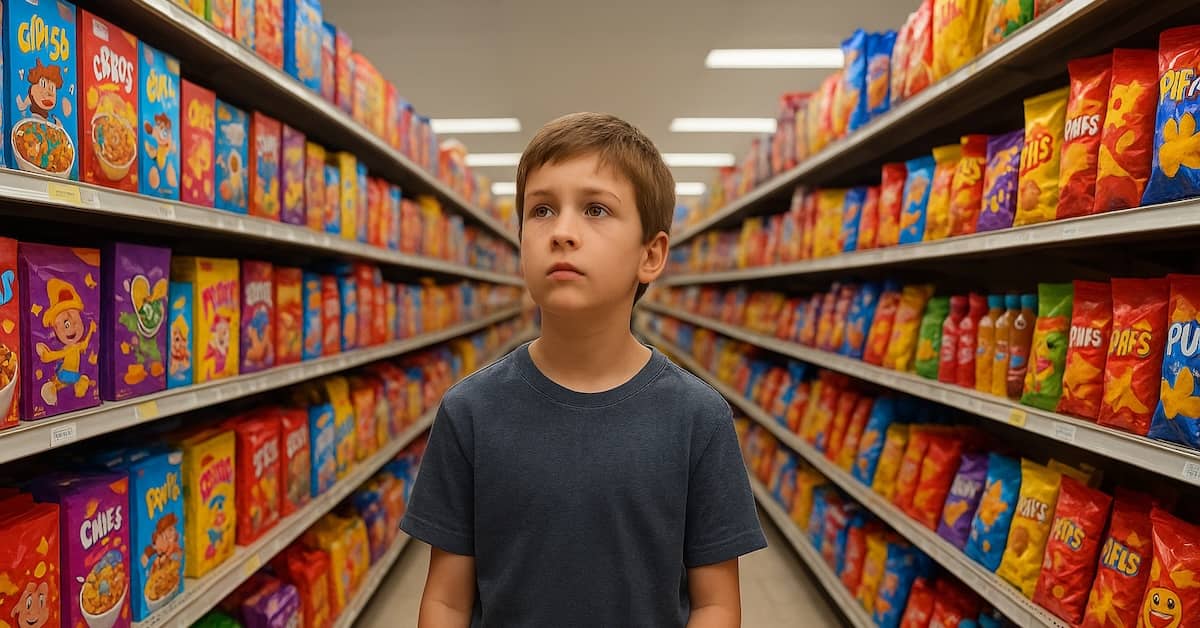
Children aren’t just consumers; they are long-term customers. Food companies used kid-friendly branding, digital marketing, and placement near schools and youth activities to build lifelong brand loyalty. Sound familiar? It should because it’s very similar to tobacco’s youth-focused strategies.
The Health Fallout
Doctors across the country are now diagnosing children and teens with:
- Type 2 diabetes
- Non-alcoholic fatty liver disease (NAFLD)
- Non-alcoholic steatohepatitis (NASH)
- Liver failure requiring transplant in severe cases
Medical organizations link these conditions to regularly eating large amounts of ultra-processed foods over a long period.
Bernheim Kelley’s Proven Record Against Big Tobacco
Bernheim Kelley has already held Big Tobacco accountable. And we got Real Results.
In a Massachusetts wrongful death case, a state court jury found R.J. Reynolds Tobacco Company liable and awarded $200 million in damages. The verdict included compensation for medical expenses and pain and suffering, damages for the deceased’s children, and $150 million in punitive damages.
Walter Kelley of Bernheim Kelley represented the plaintiffs in this landmark case. This verdict demonstrated that even the largest corporations can be held accountable when deception is exposed in court.
The Same Real Justice for Families Harmed by Ultra-Processed Foods
If you’re reading this because you’re scared for your child, we get it. This isn’t just news. This is your kid’s life.
Know that Bernheim Kelley is using the same trial-tested approach we used in tobacco cases, with families at the center. We will:
- Follow the science
- Expose what the companies knew & when they knew it
- Show how kids were targeted
- Prepare every case for trial
A Path Forward
If your child or teenager has Type 2 diabetes or liver disease and you believe ultra-processed foods played a role, Bernheim Kelley offers free, confidential consultations to help families understand what comes next.
You don’t have to have every detail figured out before reaching out. If you’re worried, start by filling out the online form. We’ll listen to your story and help you understand your options.
Why Choose Us?
When you’re facing one of the toughest moments of your life, you need more than just a lawyer—you need a trusted ally who will stand with you and fight for your rights.

Contact Bernheim Kelley Today for a FREE Case Evaluation
With Bernheim Kelley, you’ll get a team of Real Advocates with Real Trial Experience who will stand with you all the way through. That’s how we Keep It Real, and that’s why people choose us. We are investigating UPF claims and taking new clients nationwide. Call 617-420-1111 or contact us online today to schedule your FREE case review. And remember, we don’t get paid unless we win.