

- Boating Accident Resources
- Car Accident Resources
- Commercial Vehicle Accident Resources
- Construction Accident Resources
- Consumer Protection Resources
- Dog Bite Resources
- Firm News
- Motorcycle Accident Resources
- Personal Injury Resources
- Premises Liability Resources
- Product Liability/Mass Tort Resources
- Referral Resources
- Rideshare Accident Resources
- Slip and Fall Resources
- Truck Accident Resources
- Uncategorized
- Worker's Compensation Resources
- Wrongful Death Resources
- Frequently Asked Questions About a BioZorb Marker on an MRI or Mammogram
- The Real Deal
- Why Does BioZorb Show Up on Imaging in the First Place?
- Why Can BioZorb Look Like Cancer or a Recurrence on Imaging?
- What This Means for Your Follow-Up
- What You Can Do
- Don’t Assume the Worst, but Don’t Ignore Symptoms & Changes
- Real Advocacy. Real Answers
Being called back for additional imaging after a mammogram is frightening at any time. After breast cancer, it can be downright earth-shattering.
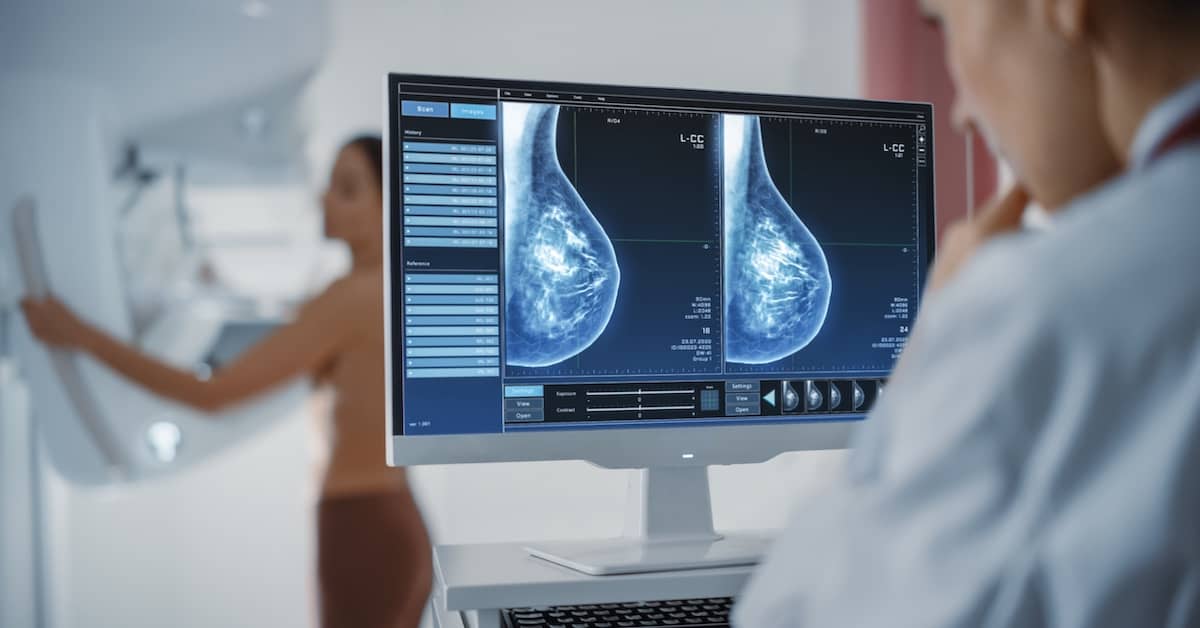
If you have a BioZorb marker and your follow-up imaging showed a mass or an area your radiologist wants to take a closer look at, there is something worth understanding: BioZorb on a mammogram or MRI and the scar tissue around it can complicate the picture and sometimes mimic the very thing you are most afraid of.
Here we’ll explain why that happens and what to do about it. If you have questions about the BioZorb lawsuit, contact an attorney for a FREE case review.
Frequently Asked Questions About a BioZorb Marker on an MRI or Mammogram
Yes. Some patients have reported a firm lump or mass near the surgical site when the device doesn’t absorb as expected or when scar tissue and fibrosis develop around it. Any new or changing lump should be checked by your doctor ASAP.
Yes. When the device causes scar tissue, the resulting mass can resemble a recurrence and may prompt additional imaging or a biopsy to rule cancer out.
Doctors may compare prior images, order additional mammogram views, use ultrasound or MRI, and sometimes recommend a biopsy if imaging can’t clearly rule out recurrence.
No. The titanium clips are permanent and stay visible even if the absorbable portion dissolves.
Not necessarily. It means your radiologist saw something that needs a closer look, which, near a BioZorb site, is often the device or scarring rather than a recurrence.
Always. Tell them before the scan, and bring prior images for comparison if you can.
The Real Deal
- BioZorb can show up on mammograms, MRIs, and ultrasounds because the titanium clips remain visible.
- If the device doesn’t absorb as expected or causes scar tissue, fibrosis, or fat necrosis around it, the area may look like a mass or possible recurrence.
- That doesn’t mean the cancer is back, but it may require more imaging or a biopsy to be sure.
Why Does BioZorb Show Up on Imaging in the First Place?
That was the whole point of it. BioZorb was placed to mark the surgical site (where your tumor was removed), so your doctors could identify the area on future imaging and during future medical procedures.
It holds small titanium clips meant to stay visible on imaging. Those clips are permanent. Even after the absorbable part of the device was supposed to dissolve, the markers remain and continue to show up on imaging.
Why Can BioZorb Look Like Cancer or a Recurrence on Imaging?
The trouble starts when the device doesn’t behave as designed. When BioZorb fails to absorb or triggers scar tissue and fibrosis around it, it can form a firm mass at the surgical site. On a mammogram or an ultrasound, that mass can be difficult to tell apart from a cancer recurrence.
Radiologists have reported this exact problem, in which the device and the scarring it causes make it harder to distinguish benign changes from those that require a biopsy. Add the normal scarring and fat necrosis (damaged fatty tissue) that can follow a lumpectomy, and the area around an old tumor site can be genuinely hard to read.
What This Means for Your Follow-Up
Realistically, it can mean more follow-up imaging and testing than you expected. Your radiologist may want additional images, an ultrasound, an MRI, or, in some cases, a biopsy to be sure.
This doesn’t mean your cancer is back. It often means the imaging is ambiguous and your team is being careful, which is exactly what you want them to be. The anxiety around having to take that extra step is very real, and it’s one of the quieter harms patients have described from dealing with these devices.
What You Can Do
A few things can genuinely help:
- Make sure every radiologist who reads your scans knows you have or had a BioZorb marker. Don’t assume it’s sitting in your chart where they’ll see it.
- Bring or request your prior imaging so they can compare year to year, because comparison is one of the best tools for telling stable scar tissue from a new change.
- Ask your radiologist directly whether a finding is related to the device.
- Stick with the follow-up schedule your care team recommends. Skipping scans because you dread being called back again does not help you.
If you’re wondering whether the marker itself needs to come out, learn more about BioZorb removal.
Don’t Assume the Worst, but Don’t Ignore Symptoms & Changes
Getting called back for another look doesn’t equate to a diagnosis. Many findings near a BioZorb marker site turn out to be related to the device or scar tissue rather than cancer.
At the same time, never talk yourself out of getting something checked. You may be convinced it’s “just the marker,” but that isn’t a call you should make. Let your care team do their job and make sure you’re okay.
Real Advocacy. Real Answers
A BioZorb marker on a mammogram or MRI can sometimes look concerning because the permanent clips, scar tissue, fibrosis, or fat necrosis may create changes near the original tumor site. But that is why your care team may recommend follow-up imaging or testing: to determine what is really going on.
Bernheim Kelley handles defective medical device and product liability matters, and we Keep It Real with you. But we’re not doctors. Questions about your own imaging and care should go to your radiologist and oncologist.
However, if your BioZorb device left you with more health issues and the need for more medical care, you may have a claim. Our team is currently investigating BioZorb claims and taking new clients nationwide. Call 617-420-1111 or contact us online today to set up a FREE case review.
This article is general information, not medical or legal advice, and it doesn’t create a doctor-patient or attorney-client relationship. Decisions about your health and imaging should be made with your own licensed providers. Bernheim Kelley Injury Lawyers, Fort Lauderdale, Florida. Attorney advertising.