

Reviewed by Jesse Bernheim | Last updated 11/13/2026 | Attorney Advertising
People who took Ozempic, Wegovy, or Rybelsus and then suddenly lost vision in one eye are filing lawsuits against Novo Nordisk, the company that makes all three drugs. The eye condition at the center of these cases is NAION. Non-arteritic anterior ischemic optic neuropathy (NAION) is sometimes described as a stroke of the optic nerve that usually causes permanent vision loss.
On November 9, 2026, the U.S. Food and Drug Administration (FDA) required a NAION warning on every GLP-1 drug sold in the United States. Before then, labels for these drugs did not warn patients or doctors about NAION.
Bernheim Kelley is investigating NAION claims nationwide for the filing of Rybelsus, Wegovy, and Ozempic vision loss lawsuits. This guide explains what NAION is, what the research shows, who may have a claim, where the lawsuits stand, and what to do now.
If you think you were affected, contact Bernheim Kelley today for a FREE case review.
Frequently Asked Questions About Rybelsus, Ozempic & Wegovy Vision Loss Lawsuits
Studies have linked semaglutide, the drug in Ozempic, Wegovy, and Rybelsus, to a higher risk of NAION, which can cause permanent vision loss in one eye. In November 2026, the FDA added a NAION warning to all GLP-1 drugs. The FDA calls this a potential increase in risk and has not concluded the drugs cause NAION.
On November 9, 2026, the FDA required every GLP-1 drug to add NAION to the Warnings and Precautions section of its label. It tells patients to contact a health care professional right away about sudden, painless vision loss in one eye, blind spots, or color changes.
Yes. These claims require a NAION diagnosis from an eye doctor. If you were told you had an eye stroke or retinal stroke, ask your doctor whether NAION was the final diagnosis.
Possibly. The FDA warning covers these drugs too, and some claims involving them are part of the federal litigation. Most of the research so far involves semaglutide. Contact us for a free review.
Generally not against Novo Nordisk. These claims require the brand-name product. Your pharmacy records will show which version you took.
No NAION settlements have been announced, so no one can say what these cases will be worth. The value of any case depends on the facts, especially how much vision was lost and how it affects your life.
It depends on what state you live in. Some deadlines are as short as 1 year from the injury. Talk to our team as soon as possible.
Talk to your prescribing doctor before making any change. If you notice sudden vision changes, get medical care right away.
Nothing. Our case reviews are free, and we work on a contingency fee basis. No recovery, no fee.
The FDA’s November 2026 Warning
On November 9, 2026, the FDA issued a Drug Safety Communication requiring every GLP-1 drug sold in the United States to warn about NAION. This is the first time the U.S. labels for Ozempic, Wegovy, and Rybelsus have mentioned NAION at all.
What the FDA Found
The FDA reviewed 126 clinical trials involving more than 134,000 patients. It found 6.4 NAION cases per 100,000 patient-years among people taking GLP-1 drugs, compared with 3.8 among people taking a placebo or other treatments.
What Changes
- NAION is now listed in the Warnings and Precautions section of the label for every GLP-1 drug, including Ozempic, Wegovy, Rybelsus, Mounjaro and Zepbound.
- Patients are told to contact a health care professional right away about sudden, painless vision loss in one eye, blind spots, or changes in color vision.
- The FDA advises patients not to stop taking the medicine without talking to their doctor first.
Why It Matters
The FDA calls the risk “potential” and has not concluded that GLP-1 drugs cause NAION. But the warning confirms that regulators now consider vision loss a risk patients and doctors need to know about. People who developed NAION before November 2026 took these drugs without any NAION warning on the U.S. label.
What Is NAION?
NAION stands for non-arteritic anterior ischemic optic neuropathy. It happens when blood flow to the front of the optic nerve drops and the nerve is damaged.
The optic nerve carries everything you see from your eye to your brain, so damage to it causes vision loss. Doctors often describe NAION as a stroke of the optic nerve.
Common Symptoms
- Sudden, painless vision loss in one eye, often noticed when waking up
- Blurry, dim, or cloudy vision in that eye
- A dark area or blind spot, often in the upper or lower half of your vision
- Colors that look faded or washed out
NAION usually affects one eye. About 1 in 5 patients later develops it in the second eye. There is no proven treatment that restores vision lost to NAION, which is why the damage is often permanent.
How NAION Is Diagnosed
An ophthalmologist or neuro-ophthalmologist diagnoses NAION. The exam usually includes a dilated eye exam to assess swelling of the optic nerve, a visual field test to map blind spots, and often imaging of the nerve. Doctors also rule out other causes, including a related condition called arteritic optic neuropathy.
Before NAION is confirmed, patients are sometimes told they had an “eye stroke,” a “retinal stroke,” or another condition such as wet macular degeneration. If that happened to you, ask your eye doctor whether NAION was the final diagnosis.
What the Research Says About Semaglutide & NAION
Ozempic, Wegovy, and Rybelsus all contain semaglutide. Concern about semaglutide and NAION has grown since 2024, as several studies and regulators have looked at the question.
- July 2024, Massachusetts Eye & Ear: A study in JAMA Ophthalmology found that patients prescribed semaglutide had a higher risk of NAION than similar patients on other medicines. The risk was 4.28 times higher in patients with type 2 diabetes and 7.64 times higher in patients prescribed it for weight loss. The study came from a single specialty eye hospital and showed an association, not proof of causation.
- February 2025, Multinational Study: A study of 37.1 million adults with type 2 diabetes, published in JAMA Ophthalmology, found NAION was 32% more common during periods when patients were taking semaglutide than when they were not. The authors called the increase modest and smaller than earlier reports, and said it adds to the evidence of a link.
- June 2025, European Medicines Agency: Europe’s drug regulator concluded that NAION is a very rare side effect of semaglutide and added it to the product information in Europe.
- 2025 to 2026, Large National Studies: Studies using national health records from Denmark and Norway and from U.S. veterans found a higher risk of NAION with semaglutide or other GLP-1 drugs compared with some other diabetes medicines. The increases were smaller than in the 2024 study.
- November 2026, FDA: The FDA required a NAION warning on every GLP-1 drug, as described above.
The FDA describes the risk as “potential” and has not concluded that GLP-1 drugs cause NAION. The science is still developing.
The Question at the Heart of These Cases
Every prescription involves weighing benefits against risks. That only works if patients and doctors know the risks. Vision lost to NAION usually cannot be restored, so this is a risk many patients would have wanted to weigh before starting.
We believe that Novo Nordisk knew or should have known about the NAION risk and did not warn patients and doctors in time. Without that warning, patients never had the chance to decide for themselves whether the benefit was worth the risk.
Which Drugs Are Involved?
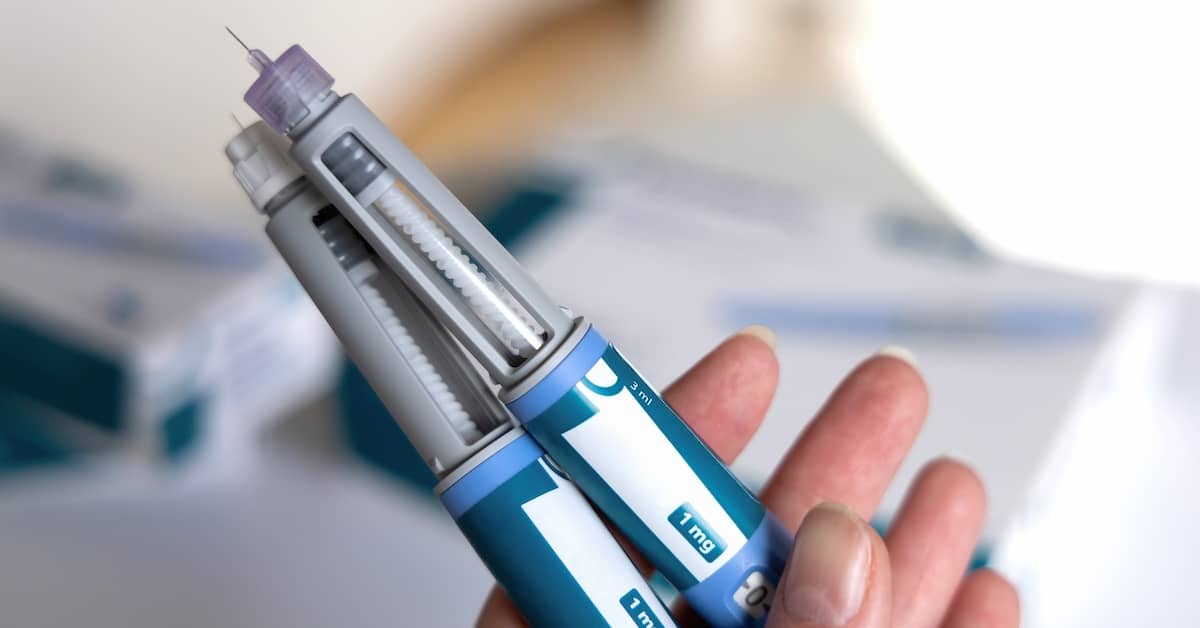
- Ozempic: Semaglutide injection, approved for type 2 diabetes
- Wegovy: Semaglutide injection, approved for weight management
- Rybelsus: Semaglutide tablet, approved for type 2 diabetes
Most of the research behind these lawsuits involves semaglutide, so the strongest claims today involve these three Novo Nordisk drugs.
Mounjaro, Zepbound & Other GLP-1 Drugs
The new FDA warning covers every GLP-1 drug, including:
- Mounjaro & Zepbound (tirzepatide)
- Trulicity
- Saxenda
- Victoza
Lawsuits involving some of these drugs are also part of the federal litigation, as well as cases in state courts, including New Jersey. If you developed NAION while taking one of them, we still want to hear from you.
Compounded Semaglutide
A claim against Novo Nordisk requires proof that you took its brand-name product. Compounded semaglutide from a med spa, a compounding pharmacy, or many online weight-loss clinics is generally not included in these cases.
Brand-name Ozempic or Wegovy prescribed through a telehealth provider does count. If you are not sure which version you took, your pharmacy records will show it.
Took Wegovy for Weight Loss & Lost Vision?
Many people who developed NAION were not taking semaglutide for diabetes. They were prescribed Wegovy, or sometimes Ozempic, to lose weight. Some were only mildly overweight when they started.
For these patients, the risk-benefit question is especially acute. A person with diabetes may rely on the drug to control blood sugar. A person taking it to lose a modest amount of weight made a very different trade-off, without being told that permanent vision loss was a possible risk. In the 2024 Massachusetts Eye and Ear study, the increased risk was highest among patients prescribed semaglutide for weight loss.
If you took Wegovy or Ozempic to lose weight and then lost vision in one eye, we want to hear from you. People with diabetes who developed NAION may also have claims.
Who Qualifies for an Ozempic or Wegovy Vision Loss Lawsuit?
You may have a claim if all of these are true:
- You took brand-name Ozempic, Wegovy, or Rybelsus
- An eye doctor diagnosed you with NAION
- Your vision problems started while you were taking the drug, or within about a week of your last dose
These Don’t Automatically Rule You Out
- Having type 2 diabetes
- High blood pressure, sleep apnea, high cholesterol, or other health conditions
- Taking the drug for only a short time
- Partial vision loss, or vision that has partly recovered
- First being told you had an eye stroke, retinal stroke, or wet macular degeneration
Cases That Usually Aren’t a Fit
- Vision problems from floaters, cataracts, glaucoma, or diabetic retinopathy alone, with no NAION diagnosis
- Use of compounded or generic semaglutide only
If a family member developed NAION and has since passed away or cannot act for themselves, a spouse, child, or legal representative may be able to bring a claim on their behalf.
Where the Lawsuits Stand (November 2026)
Federal Court
In December 2025, federal NAION cases were consolidated into a single proceeding called a multidistrict litigation, MDL No. 3163, in the U.S. District Court for the Eastern District of Pennsylvania before Judge Karen S. Marston. An MDL groups similar cases from around the country for pretrial work, and sometimes trial.
The court has ordered that three issues be decided first:
- Whether the drugs can cause NAION
- Whether federal law shields the drugmakers from these claims (known as preemption)
- Whether the warnings were adequate
Expert reports are due in spring 2027, with challenges to experts in mid-2027. No trial dates had been set at the time this page was written.
Settlements
No NAION settlements have been announced. Be cautious of any website that presents dollar figures as settlement amounts for these cases. Those numbers are estimates.
What Compensation Can Cover
Every case is different, and no lawyer can promise a result. In a successful case, compensation can cover:
- Past & future medical expenses, including ongoing eye care
- Lost wages & reduced ability to earn a living
- Costs of adapting to vision loss, such as low-vision aids & transportation
- Pain, suffering & loss of enjoyment of life
Permanent vision loss changes how a person works, drives, and lives. Those losses are at the heart of these cases.
How Long Do You Have To File an Ozempic Vision Loss Lawsuit?
Every state sets a deadline for filing an injury lawsuit, called a statute of limitations. Some states allow as little as 1 year from the injury. In some states, the clock starts when the injury happens, even if you didn’t yet connect it to the drug.
Once a deadline passes, the claim is usually gone for good. If you think you have a case, talk to the Bernheim Kelley team soon.
What To Do Now
- Get care. See an ophthalmologist or neuro-ophthalmologist and ask for your diagnosis in writing.
- Talk to your prescribing doctor before stopping or changing any medicine. The FDA advises patients to make that decision with their doctor.
- Gather records. Keep pharmacy receipts, prescription history, pens or boxes, and your eye doctor’s records.
- Write down your timeline. Note when you started the drug, when you took your last dose, and the date your vision changed.
- Get a free case review before any deadline passes. Bernheim Kelley will handle your case from the first call to the final result.

Why Bernheim Kelley
Bernheim Kelley is a trial firm. We are investigating NAION claims against the makers of Ozempic, Wegovy, and Rybelsus, and we handle every case ourselves, start to finish.
Our legal team is made up of experienced trial attorneys with a track record of litigating cases in court and winning verdicts and settlements for our clients against many of the largest medical and pharmaceutical companies in the world.
For 20 years, we have handled product liability and mass tort cases nationwide, taking on manufacturers whose products injured people. Many NAION claims hinge on whether the manufacturer adequately warned patients and doctors, and those are the kinds of cases our trial lawyers take on.
We review NAION claims for free. We work on a contingency fee, which means you pay no attorney’s fees unless there is a recovery. You may still be responsible for certain costs, as explained in your written agreement.
Our team has Real Experience acting as Real Advocates to secure Real Justice for our clients. If you have questions, you can request a free case review.
Why Choose Us?
When you’re facing one of the toughest moments of your life, you need more than just a lawyer—you need a trusted ally who will stand with you and fight for your rights.

This page provides general information. It is not legal or medical advice, and reading it does not create an attorney-client relationship. Past results do not guarantee future outcomes.