
- Boating Accident Resources
- Car Accident Resources
- Commercial Vehicle Accident Resources
- Construction Accident Resources
- Consumer Protection Resources
- Dog Bite Resources
- Firm News
- Motorcycle Accident Resources
- Personal Injury Resources
- Premises Liability Resources
- Product Liability/Mass Tort Resources
- Referral Resources
- Rideshare Accident Resources
- Slip and Fall Resources
- Truck Accident Resources
- Worker's Compensation Resources
- Wrongful Death Resources
- Frequently Asked Questions About Solar Company Calls
- The Real Deal
- Quick Facts About Solar Company Calls
- Why Florida Homeowners Get So Many Solar Telemarketing Calls
- The Form You Filled Out Doesn’t Cover Everything
- What “Automated Dialing System” Means & Why It Matters
- The Role of Lead Generators
- What Florida Homeowners Should Do About Solar Telemarketing Calls: Step by Step
- The Calls May Be Illegal. The Law Gives You Real Options.
Frequently Asked Questions About Solar Company Calls
Solar companies could be calling you because your information was sold through a lead generator or shared with multiple companies after you filled out a form online. But that doesn’t mean every call is legal.
It can be. The Telephone Consumer Protection Act (TCPA) (47 U.S.C. § 227(b)) requires companies that use automated dialing systems or prerecorded messages to call cell phones to get valid consumer consent.
If solar companies are calling without that consent, or if they keep calling after you’ve told them to stop, the calls could be illegal under federal law and the Florida Telephone Solicitation Act (FTSA) (Fla. Stat. § 501.059), which adds state-level protections for Florida residents.
- Tell callers directly to stop & not call back.
- Reply STOP to any marketing texts.
- Save your call log & voicemails before blocking numbers.
- Get a free case review with a TCPA attorney.
A pending TCPA or FTSA claim gives these companies a really good reason to stop contacting you.
Potentially yes. If the calls violated the TCPA or FTSA, you may be able to sue. Damages in these cases are typically $500 per unlawful call and up to $1,500 per call for “willful or knowing” violations (47 U.S.C. § 227(b)(3)). And if your claim is successful, the company is on the hook for attorney’s fees as well.
No. Under the TCPA and FCC regulations, consent has to be specific. The company calling you generally needs permission to contact you directly. A single form may not cover every company that buys your information, especially if it didn’t clearly identify who could contact you or how they could contact you.
And consent can be revoked at any time. When you tell a caller to stop, they have to stop. FCC rules require the company to honor your request within a reasonable timeframe, but not more than 10 business days (47 C.F.R. § 64.1200(a)(10), (d)(3)). Florida’s text-message rule gives telephone solicitors 15 days after a STOP reply (Fla. Stat. § 501.059(10)(c)).
Potentially both. Lead generators who fail to obtain valid TCPA consent can face liability. The companies that purchased and used those leads to make calls may also be liable. In many cases, multiple parties in the call chain are accountable, depending on who made the decisions and who benefited from the campaign.
There is no minimum number of calls required under the TCPA. A single illegal call could be a violation. A pattern of calls, particularly calls after you’ve told them to stop, can make for a stronger and larger claim because damages are calculated per call.
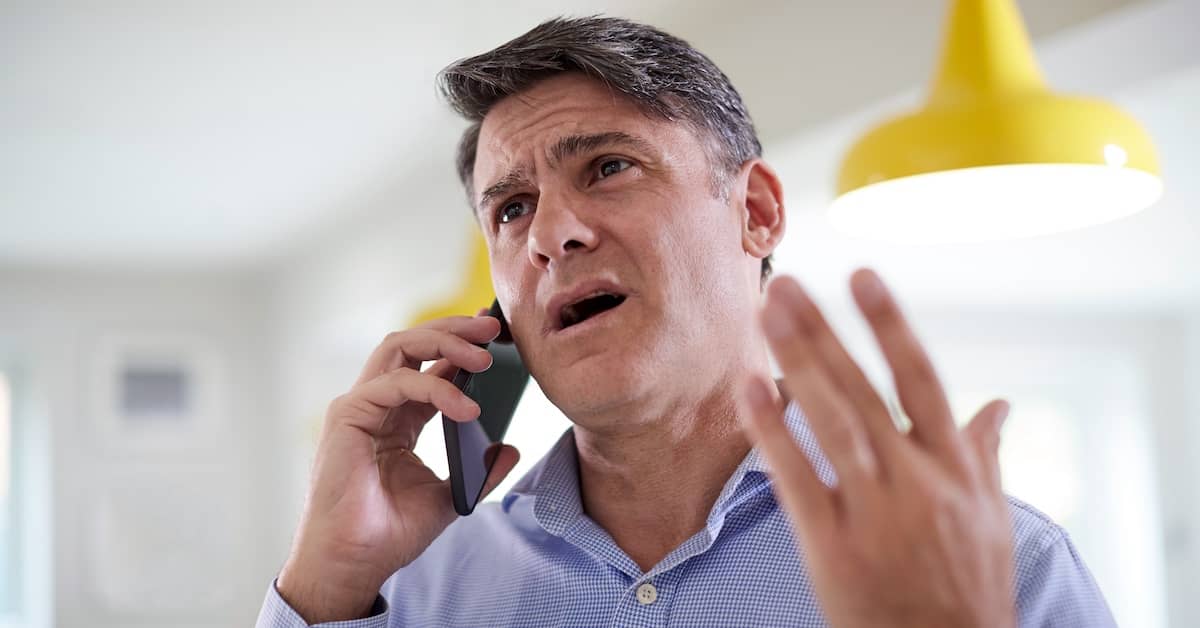
You looked into solar once. Maybe you clicked an ad, filled out a form, or asked for a quote. Since then, the calls haven’t stopped! Different numbers, same pitch, sometimes multiple times a day.
You’ve said you’re not interested. You’ve hung up. You’ve “pressed 9” to be removed from the list. But they just keep coming.
If solar companies won’t stop calling after you told them to stop, you could have rights under federal and Florida consumer protection laws. That means you might be eligible for compensation. Here’s what Florida law says about all of it and what to do next.
The Real Deal
If solar companies won’t stop calling after you told them to stop, those calls could be violating federal and Florida law. Depending on how the calls were made, the Telephone Consumer Protection Act (TCPA) or the Florida Telephone Solicitation Act (FTSA) could apply (47 U.S.C. § 227(b) and Fla. Stat. § 501.059).
And no, filling out one online form doesn’t mean that every solar company has unlimited permission to call you. If you told them to stop and the calls continued, you may have a claim for compensation. Some violations may be worth $500 to $1,500 per call.
Quick Facts About Solar Company Calls
- Solar companies need your consent before using robocalls or prerecorded messages.
- An online form does not necessarily give every company permission to call you.
- You can revoke consent by telling the caller to stop.
- Continued calls could lead to compensation under federal or Florida law.
- Saving your call logs, voicemails, and texts can help prove what happened.
Why Florida Homeowners Get So Many Solar Telemarketing Calls
Florida is one of the country’s biggest solar markets, which makes homeowners here a major target for solar marketing companies, lead generators, and the installation companies they feed.
The business model usually works like this: A consumer fills out a form on a solar interest website, their information is sold to a network of lead buyers, and multiple companies start calling, sometimes simultaneously, sometimes for months on end.
The consumer usually has no idea their number will be passed to multiple companies when they fill out that one form. And those companies often have shaky legal footing on whether they had the right to make those calls.
The Form You Filled Out Doesn’t Cover Everything
The most common defense solar companies use is consent, pointing to a form, a checkbox, or the fine print on a lead-generation website. That defense has real limits under the TCPA and FCC regulations (47 C.F.R. § 64.1200(a)(2), (a)(3)).
Consent to receive autodialed or prerecorded calls must be given specifically to the company making the call. Courts have found that consent collected by a lead generator may not cover every company that buys your information. Each company may need its own permission to call you.
Consent can also be revoked whenever you want. When you tell a caller to stop, you withdraw whatever consent they claim to have had. FCC rules give companies a short window to process that request, no more than 10 business days. After that, continued calls violate the law.
What “Automated Dialing System” Means & Why It Matters
The TCPA’s strictest rules apply to calls and texts made using automatic telephone dialing systems, also known as autodialers (47 U.S.C. § 227(b)(1)(A)). Possible clues can include a pause or click before anyone speaks, a prerecorded pitch when you answer, or a high volume of calls from the same campaign in a short amount of time. Using an autodialer to call cell phones without proper consent is a federal violation, no matter what they’re trying to sell you.
The Role of Lead Generators
Many of the companies calling you aren’t the ones installing the solar panels. They’re lead generators, companies whose business is collecting consumer information and selling it.
When a lead generator fails to obtain valid consent or sells your number to companies not named in the original form, the legal chain breaks down. The companies that bought the lead and used it to call you may face TCPA liability alongside or instead of the lead generator.
What Florida Homeowners Should Do About Solar Telemarketing Calls: Step by Step
- Tell the caller clearly to stop and not call back. If it’s a text, reply STOP. Note the date and time.
- Screenshot your call log, every solar-related call, date, time, and phone number.
- Save voicemails, especially prerecorded ones. A robotic voice promoting solar savings can be evidence of an autodialer.
- Screenshot text threads including your STOP reply and any company confirmation.
- Note what company they promoted and whether you ever filled out a form for that company or anything related to solar.
- If numbers rotate, save them all. The pattern across numbers is part of the evidence.
- Get a free case review with a TCPA attorney. Bring your call log and voicemails.

– you are in good hands!


The Calls May Be Illegal. The Law Gives You Real Options.
You didn’t sign up to be a solar lead. You asked for information, and now, solar companies won’t stop calling. But Florida and federal laws may give you remedies and compensation. Better yet, it costs nothing to find out if you have a case and take Real Action.
Bernheim Kelley helps Florida homeowners push back against illegal telemarketing and other consumer protection issues. Call 954-329-0440 or reach out to our TCPA attorneys online for a FREE case review. There are no fees, costs, or risks for you.
This article is for general information only and is not legal advice. Contact an attorney to discuss your specific situation.