
Recalled FreeStyle Libre 3 Sensors Can Give Falsely Low Blood Sugar Readings Causing Real Health Risks for Diabetics
If you live with diabetes, you know the routine. Check your numbers. Make an adjustment. Keep going. Now imagine the reading is wrong.
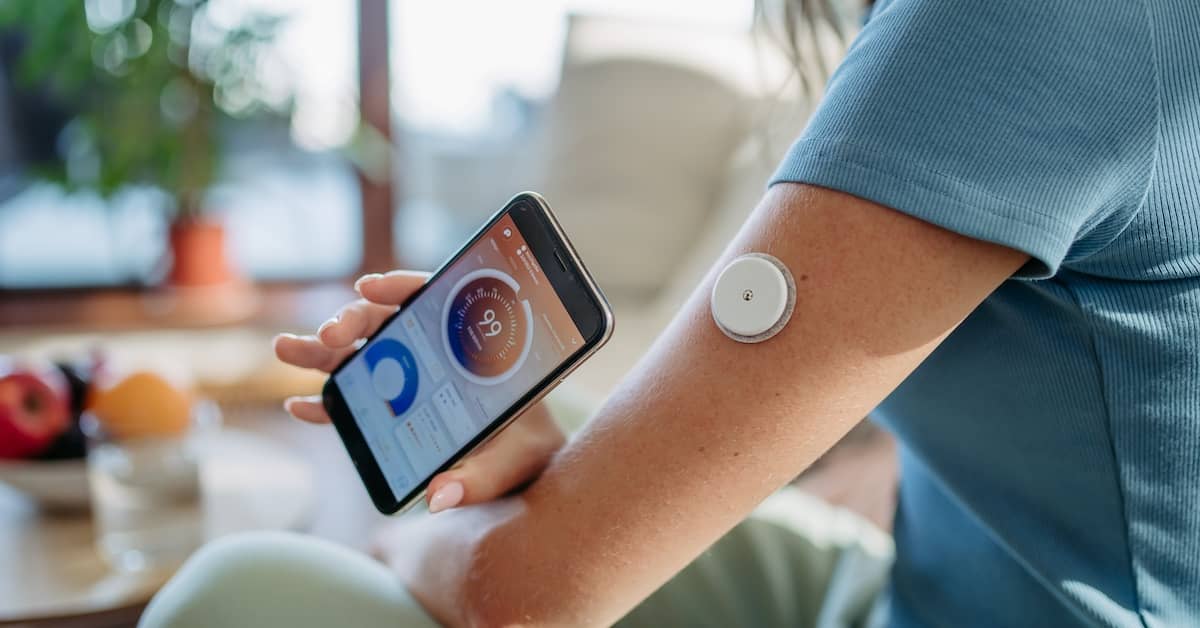
Abbott initiated an urgent medical device correction, later classified by the FDA as a Class I recall, for certain FreeStyle Libre 3 and Libre 3 Plus sensors. Due to a manufacturing issue, some sensors may give incorrect low readings. When a continuous glucose monitor (CGM) underreports blood sugar levels, people may delay insulin or treat a “low” that isn’t real. That can end up leading to emergency care, hospitalization, diabetic ketoacidosis (DKA), and in the most devastating cases, death.
Bernheim Kelley’s mass tort attorneys are reviewing FreeStyle Libre 3 recall lawsuit cases now. We are currently working with families impacted by these recalled sensors and continuing to take on new clients nationwide. If you ended up in the hospital, or if a family member was hospitalized or passed away, and a recalled sensor may have been involved, you may be eligible for compensation. Our team can help you understand your legal options.
You deserve real answers and real support. Call Bernheim Kelley at 617-420-1111, contact us online, or fill out our online form to speak with a defective medical device lawyer in a FREE case evaluation.
"*" indicates required fields
Libre 3 & Libre 3 Plus Recall/Correction Info & Updates
- Abbott announced a medical device correction (November 24, 2025)
- FDA issued an Early Alert about incorrect low readings (December 2, 2025)
- Manufacturing issue tied to one production line
- About 3 million sensors distributed in the U.S., with around 1.5 million potentially still in circulation
- FDA updated, informing the public that this is classified as a Class I recall (February 4, 2026)
- Abbott reported 860 serious injuries and 7 deaths worldwide (January 7, 2026)
Frequently Asked Questions: Abbott Libre 3 Medical Device Recall
Abbott provides a serial-number lookup for Libre 3 and Libre 3 Plus sensors (FreeStyle Check tool). The serial number will be labeled “SN” and can be found on the bottom of the kit’s packaging or on the sensor applicator. If you’re wearing the sensor, the serial number can be found in the app or reader. Find more on how to find the serial number here.
Yes. Abbott started this as an urgent medical device correction on November 24, 2025. Later, the FDA classified it as a Class I recall. If you were hospitalized or harmed due to this device, reach out to a medical device recall attorney at Bernheim Kelley for more information on a potential manufacturing defect injury claim.
Abbott initially alerted the public to a medical device correction, and the FDA also issued an Early Alert. The FDA later classified it as a Class I recall, its most serious recall category.
In FDA terms, a recall can happen through a correction or a removal.
- A correction means the company fixes the problem where the product already is, like replacing certain sensors.
- A removal means taking affected sensors out of use or off shelves.
This Libre 3 action is both. Abbott is replacing affected sensors, and the FDA says certain sensors should be removed from where they are used or sold. But the important thing is that people who have been harmed or lost a loved one get support and accountability. The medical device recall attorneys at Bernheim Kelley can help.
If your loved one used Libre 3 or Libre 3 Plus and passed away after a severe diabetic event, you may still have legal options. The best bet is to contact Bernheim Kelley for a free, no-obligation case evaluation. We’ll be able to answer any questions you have and discuss your options.
Here’s what to save:
- Sensor box or label
- Serial number
- App screenshots
- Receipts
- ER or hospital records
Know that even partial documentation can help. The sooner you contact Bernheim Kelley, the more we can guide you on which evidence you need to save.
No! Bernheim Kelley handles these cases on a contingency fee basis, and there’s no fee unless we win.
Yes. Abbott and the FDA have warned that certain Libre 3 and Libre 3 Plus sensors may show incorrect low readings.
Yes. Continuous glucose monitor (CGM) readings affect what you do next, like taking insulin or treating a low. If the reading is wrong, it can lead to the wrong decision. Treating a false low or delaying insulin you need can lead to serious problems, including:
- DKA (diabetic ketoacidosis), a dangerous condition that can happen when your body doesn’t have enough insulin and starts making ketones
- Emergency room visit or hospitalization
- Passing out or having a seizure
- Coma
- In rare and devastating cases, death
If you were in the ER or hospital, were treated for DKA, or your family lost someone and a recalled sensor was involved, reach out to a defective medical device lawyer at Bernheim Kelley for a free case evaluation.
As of January 7, 2026, Abbott reported 7 tragic deaths associated with this issue. It’s devastating. It’s wrong. They must be held accountable for the harm they’ve caused. Bernheim Kelley can help you seek Real Justice.
Investigations and lawsuits are underway. Bernheim Kelley is reviewing recalled device claims and taking new clients right now.
Bernheim Kelley Is Advocating for Diabetics Harmed by FreeStyle Libre 3 & Libre 3 Plus Glucose Monitors: Call Now
Raising public awareness about the Abbott Libre 3 recall can help people get answers about what happened and, if a recalled sensor caused them harm, pursue compensation and accountability for the wrong done.
A glucose sensor has one job: give you a reading you can trust. When a sensor shows falsely low readings, it can lead a person to treat a low that isn’t real or delay insulin that’s needed. That can lead to dangerously high blood sugar and a medical emergency.
One of the most serious risks is diabetic ketoacidosis (DKA). DKA occurs when the body doesn’t have enough insulin and starts producing ketones. It can come on quickly and often requires emergency treatment and hospitalization.
Bernheim Kelley handles mass tort investigations and defective medical device cases nationwide. We have recovered over $1 billion for clients, including a $200 million tobacco verdict against R.J. Reynolds and a $250+ million GranuFlo settlement.
If you ended up in the ER or hospital, or if you lost a family member after using this faulty medical device, you may be eligible to pursue compensation for your medical care, missed work, and the real toll this has taken on your life. We’re already helping people harmed by these faulty devices; we’d like to see what we can do to help you, too.
Our steadfast team brings Real Experience and Real Advocacy to champion the rights of consumers and their families. Contact us now or fill out the form above to get started with a free case evaluation.
Why Choose Us?
When you’re facing one of the toughest moments of your life, you need more than just a lawyer—you need a trusted ally who will stand with you and fight for your rights.
FreeStyle Libre 3 Recall: What Happened & What You Should Know
What Happened: On November 24, 2025, Abbott announced a medical device correction (later classified by the FDA as a Class I recall) for certain FreeStyle Libre 3 and Libre 3 Plus continuous glucose monitor (CGM) sensors due to a manufacturing defect on one production line.
What You Need to Know: Some sensors may show incorrect low readings. About 3 million sensors were distributed in the U.S. Abbott says roughly half were already used or expired, leaving around 1.5 million that could still be out there.
What You Should Do Now:
- Check the sensor serial number using Abbott’s FreeStyle Check tool.
- If your sensor is confirmed as affected, stop using it and follow Abbott’s replacement instructions.
- Trust your symptoms over the sensor. If the reading doesn’t seem to match how you’re feeling, check your levels again with a blood glucose meter, and get medical care if you’re not feeling okay.
- Get legal help. If you or a loved one was hospitalized, developed DKA, or passed away, and a recalled sensor was involved, reach out to Bernheim Kelley for a free case evaluation.
Why Incorrect Low Readings Can Turn Dangerous
If your CGM is underreading (showing a low that isn’t real), it can steer you into the wrong response, like:
- Eating extra carbs or taking glucose
- Delaying insulin, reducing insulin, or skipping insulin
For many people, extra carbs alone might cause a spike in blood sugar. The bigger danger is when insulin is delayed or reduced in someone who needs it. Insufficient insulin can allow blood sugar to climb and stay high. That can lead to:
- Hyperglycemia (sustained high blood sugar)
- Dehydration & ketone buildup
- Diabetic ketoacidosis (DKA)
If your family experienced a severe medical event after relying on Libre 3 readings, it’s worth getting answers.
Reach Out Now for a FREE Case Evaluation with a FreeStyle Glucose Monitor Lawyer at Bernheim Kelley
If you’re reading this now, chances are you are worried, frustrated, or grieving. You trusted a medical device to help you manage your health, and now you are left asking how this could happen and what you can do next.
Do you think a Libre 3/3 Plus sensor led to you or someone you loved being hospitalized or passing away? Then, get in touch with the team at Bernheim Kelley as soon as possible.
You can start by calling 617-420-1111 or filling out the form at the top of the page. We’ll get in contact with you and set up a FREE initial consultation. Our team of mass tort lawyers is steadfast, compassionate, and driven to seek Real Justice for those injured through negligence. We’re ready ot help you.
Current Dangerous Product & Device Investigations
- Ultra-Processed Foods (UPFs)
- Bard PowerPort
- BioZorb
- Philips DreamStation CPAP
- Hernia mesh
- Defective hip replacements

– you are in good hands!